Griekspoor's Dubai Final Dream Crumbles Due to Persistent Injury
The highly anticipated final of the Dubai Duty Free Tennis Championships was set to deliver a thrilling conclusion to an exciting week of tennis. Fans eagerly awaited a clash between the formidable Daniil Medvedev and the rising Dutch star, Tallon Griekspoor. However, the dream final, and indeed Griekspoor’s shot at a prestigious ATP 500 title, dissolved before a single ball could be struck. A persistent injury, coupled with unsettling geopolitical developments, cast a long shadow over the event, forcing Griekspoor to make the agonizing decision to withdraw. This unfortunate turn of events highlights the immense physical demands of professional tennis and the difficult choices athletes face when their bodies betray them, particularly when the stakes are at their highest.
The Agonizing Decision: When Dreams Meet Reality
Tallon Griekspoor had fought tooth and nail to reach his first ATP 500 final. His journey through the draw, culminating in a grueling semifinal victory against the talented Andrey Rublev, showcased his grit, power, and burgeoning potential. Yet, it was during that very semifinal encounter that the first signs of trouble emerged. Reports indicated Griekspoor was visibly struggling, "limping into the final" and finding it difficult to move freely. The physical toll of successive high-intensity matches on hard courts, especially in demanding conditions, had evidently caught up with him. The specific nature of the griekspoor injury dubai was not fully detailed, but the visual evidence of his restricted movement spoke volumes about the pain he was enduring.
For any professional athlete, reaching a major final is the culmination of countless hours of training, sacrifice, and mental fortitude. To be on the cusp of such an achievement, only to be sidelined by injury, is a heartbreaking experience. The decision to withdraw from a final is never taken lightly. It involves a complex evaluation of immediate pain, the risk of exacerbating the injury, and the potential long-term consequences for one's career. Griekspoor, no doubt, consulted with his medical team, weighing the desire to compete against the imperative of protecting his long-term health. Ultimately, the latter prevailed, leading to the unfortunate but necessary announcement. This tough choice underscores the fragility of an athlete's body and the fine line between pushing limits and causing irreparable damage. For a deeper dive into the immediate aftermath, you can read more at Griekspoor Pulls Out of Dubai Final: Injury Ends Title Hopes.
The Physical Toll: Understanding Tennis Injuries
Professional tennis is one of the most physically demanding sports in the world. Players traverse the globe, competing on various surfaces, often playing multiple matches within a few days. This relentless schedule, combined with explosive movements, repetitive strains, and sudden changes of direction, makes athletes highly susceptible to a range of injuries. While Griekspoor's exact ailment wasn't publicly detailed, common tennis injuries include:
- Lower Body: Ankle sprains, knee issues (e.g., patellar tendinitis, meniscus tears), hamstring strains, and hip problems are frequent due to the constant running, sliding, and pivoting.
- Upper Body: Shoulder impingement, rotator cuff injuries, and elbow issues (like 'tennis elbow' or epicondylitis) are prevalent from the powerful serving and groundstrokes.
- Back and Core: Lumbar strains, disc issues, and core muscle injuries can arise from rotational movements and serves.
The intensity of Griekspoor's semifinal match against Rublev, where he had to dig deep physically and mentally, likely pushed his body past its breaking point. Fatigue often precedes injury, as muscles lose their ability to support joints effectively, leading to increased vulnerability. This incident serves as a stark reminder of the hidden battles athletes fight, often pushing through discomfort until it becomes debilitating.
Beyond the Baseline: Geopolitical Shadows over Dubai
As if Griekspoor's injury wasn't enough to contend with, an unsettling backdrop of geopolitical tensions added another layer of concern to the Dubai tournament. Reports surfaced about potential air strikes in Dubai, amidst a broader context of "Iran’s retaliatory attacks on the US-Israel military attacks." The final, scheduled for 10:00 AM EST, found itself amidst these alarming reports, with some accounts even suggesting people were fleeing the area. While the direct impact on the players or the final decision to withdraw might not be explicitly linked to these events, the general atmosphere of uncertainty and potential threat cannot be overlooked.
Such external factors, though not physical injuries, undoubtedly contribute to the overall stress and mental burden on athletes, tournament organizers, and spectators. The safety and security of all participants become paramount, and any hint of instability can cast a pall over an otherwise celebratory sporting event. The confluence of Griekspoor's injury withdrawal and these significant geopolitical concerns created a truly unique and challenging scenario for the Dubai Duty Free Tennis Championships. It highlighted how even global sporting events are not immune to the wider world's complexities. For more details on how these external factors played a role, you can find further insights at Dubai Final Chaos: Griekspoor Injury Amidst Air Strike Fears.
The Unseen Pressures: Balancing Performance and Well-being
Professional athletes operate under immense pressure. There's the pressure to perform, to win, to maintain rankings, to satisfy sponsors, and to meet the expectations of fans. This relentless drive can sometimes make it incredibly difficult to prioritize personal well-being over immediate competitive goals. The decision to withdraw from a major final is not just a physical one; it's a profound mental and emotional challenge. It requires an athlete to put their long-term health above a potential career highlight, which can be agonizing.
Medical teams play a critical role in these moments, providing objective assessments and advising on recovery protocols. Coaches, too, must support their players, understanding that a short-term setback can prevent a long-term absence. For fans, it's a call for empathy and understanding. While disappointing not to see a match, acknowledging an athlete's decision to protect their health is crucial. It underscores a shift in sports culture towards greater awareness of athlete welfare, recognizing that players are not just machines but individuals with limits.
Coping and Recovery: Lessons from the Pro Tour
For Tallon Griekspoor, the immediate future involves rest, diagnosis, and a structured rehabilitation plan. Recovering from an injury, whether it’s a specific ailment or general wear and tear, is a journey that requires patience, discipline, and expert guidance. Here are some practical tips and insights on managing and preventing injuries, applicable not just to elite athletes but to anyone pursuing physical activity:
- Early Detection and Diagnosis: Listen to your body. Persistent pain, discomfort, or unusual sensations should never be ignored. Seeking professional medical advice promptly can prevent minor issues from escalating into chronic problems.
- Structured Rest and Rehabilitation: Rest is paramount for healing. However, complete inactivity can sometimes be detrimental. A tailored rehabilitation program, guided by physiotherapists or sports doctors, is essential. This often involves specific exercises to restore strength, flexibility, and range of motion.
- Cross-Training and Strength & Conditioning: Incorporating varied physical activities can build a more robust and resilient body. Strength training, particularly targeting core stability and injury-prone areas, is a crucial preventative measure.
- Proper Warm-up and Cool-down: Preparing the body for activity and then gradually bringing it back to a resting state can significantly reduce injury risk. This includes dynamic stretches before exercise and static stretches afterward.
- Nutrition and Hydration: A well-balanced diet rich in anti-inflammatory foods, combined with adequate hydration, supports tissue repair and overall physical health.
- Mental Resilience: Injury can be mentally taxing. Staying positive, setting realistic recovery goals, and potentially seeking psychological support can be vital for a successful return to form.
For Griekspoor, this period of recovery is an opportunity not just to heal physically, but also to reflect, learn, and come back stronger. It will test his resolve, but with proper care and a focused approach, he can emerge from this setback ready to chase future titles.
Impact on the Tournament and Medvedev
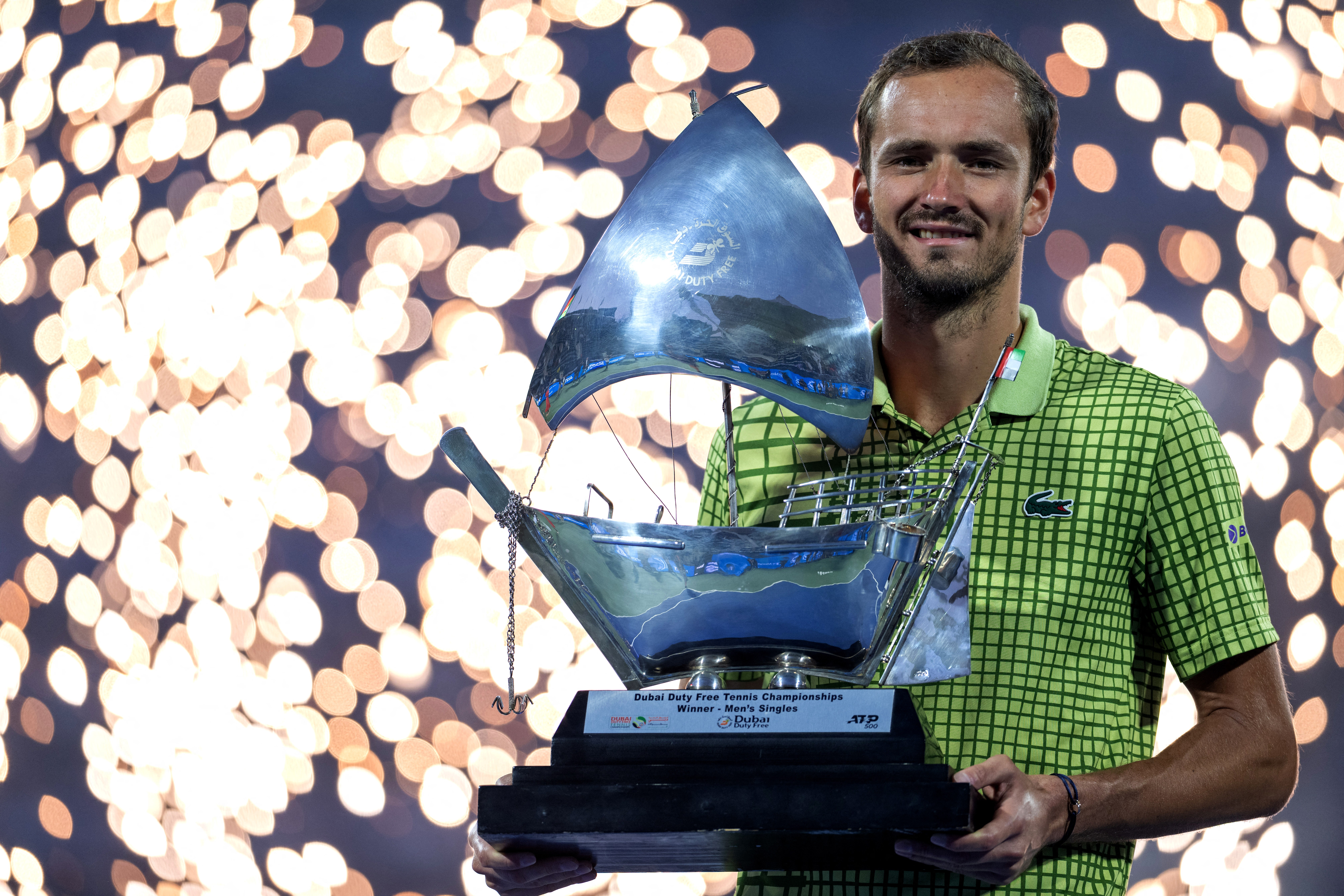
A withdrawal from a final is a rare occurrence and inevitably affects the tournament's conclusion. Daniil Medvedev, the beneficiary of the walkover, was crowned champion without having to play the final match. While a title is a title, most competitors prefer to earn it on the court. Medvedev, known for his competitive spirit, likely felt a mixture of relief at winning and disappointment at not being able to compete for it against a worthy opponent. For the tournament organizers, a walkover final can diminish some of the spectacle and excitement for the fans who had bought tickets specifically for the showpiece event. Despite this, the integrity of player health always takes precedence, a principle that both the ATP Tour and individual tournaments uphold.
Tallon Griekspoor's withdrawal from the Dubai final was a moment laden with disappointment, both for the player and his fans. His dream of lifting an ATP 500 trophy was deferred by a persistent injury, a stark reminder of the brutal physical demands of professional tennis. Compounded by unsettling geopolitical reports that added a layer of unease, the Dubai final ultimately became a testament to the unpredictable nature of elite sport. While Griekspoor's immediate focus will shift to recovery and rehabilitation, his tough decision underscores the paramount importance of athlete welfare. As he heals, the tennis world will await his return, hopeful that this setback is merely a pause before he once again graces the courts, fully fit and ready to chase his championship dreams.