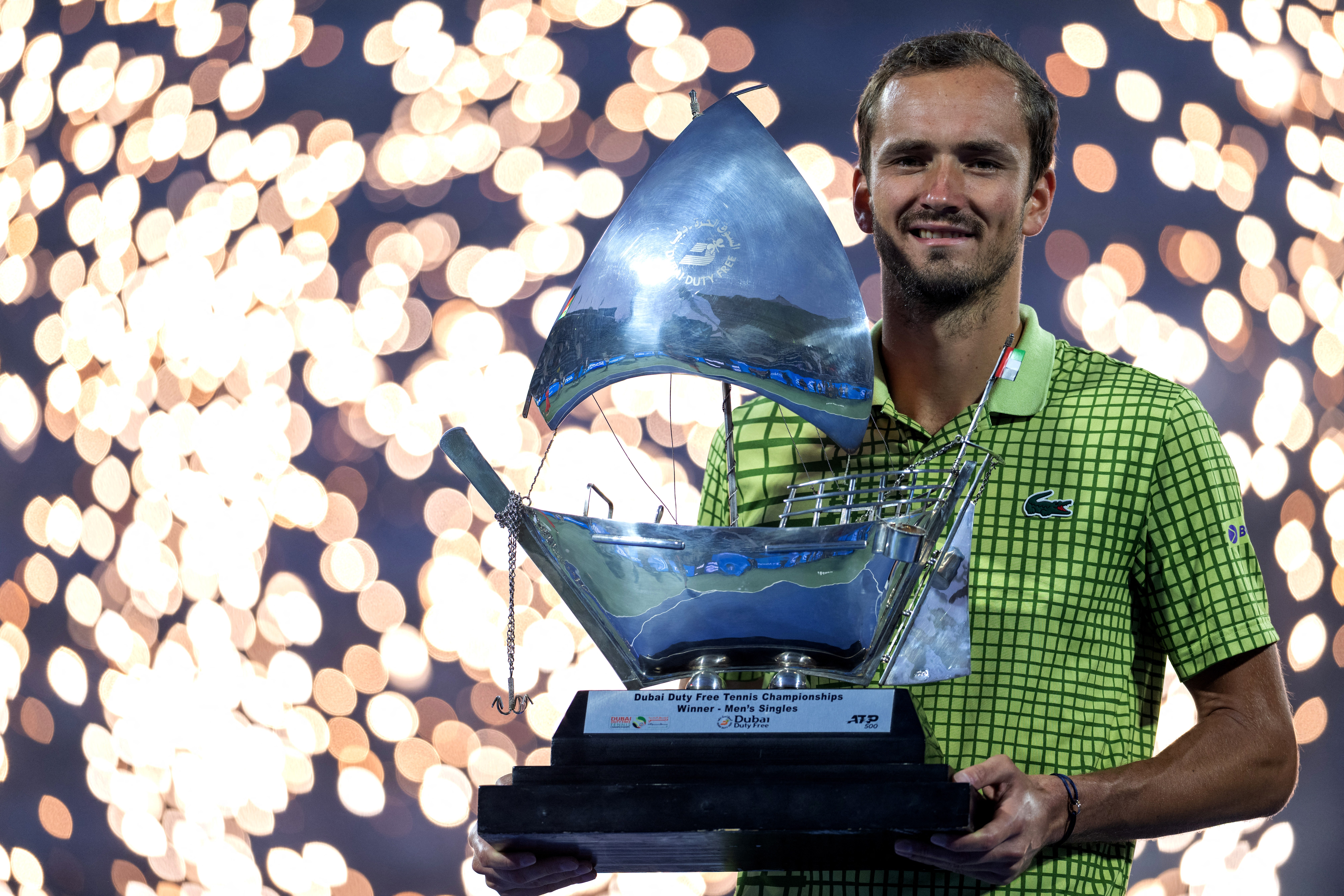
Dubai Final Chaos: Griekspoor's Injury Amidst Geopolitical Storm
The world of professional tennis often presents us with narratives of grit, triumph, and heartbreaking near-misses. However, few tales encapsulate such a dramatic confluence of personal adversity and global tension as the 2024 Dubai Duty Free Tennis Championships final, featuring Tallon Griekspoor. What promised to be a thrilling showdown between the Dutchman and the formidable Daniil Medvedev instead dissolved into a scene of uncertainty, not only due to a debilitating
griekspoor injury dubai but also against the unsettling backdrop of escalating geopolitical unrest. The final, scheduled for a Saturday morning, became a stark reminder of how quickly the world can intrude upon the insulated bubble of elite sport.
The Limping Challenger: Tallon Griekspoor's Painful Road to the Final
Tallon Griekspoor’s journey to the Dubai final was, in itself, a testament to his fighting spirit and burgeoning talent. He had navigated a challenging draw, showcasing powerful groundstrokes and an unwavering serve. Yet, as he entered his semifinal clash against fellow top contender Andrey Rublev, a visible struggle began to emerge. Reports from the match indicated that Griekspoor was visibly limping, struggling with every step and clearly hampered by a physical ailment. The sight of an athlete of his caliber grimacing through points, unable to move with his usual agility, was concerning to fans and pundits alike.
The semifinal match became less about tactical prowess and more about sheer endurance, a battle against his own body. While he heroically pushed through to secure his spot in the final, the cost was palpable. Post-match, it was evident that the toll taken on his physique was severe, leaving his participation in the final in serious doubt. Observers noted his difficulty even walking, a clear sign that the
Griekspoor injury Dubai was more than just a minor niggle; it was a significant impediment that threatened to derail his biggest career moment to date.
For any professional athlete, reaching a major final is the culmination of years of dedication, sacrifice, and relentless training. To arrive at such a pinnacle, only to be undermined by a sudden or escalating injury, is a cruel twist of fate. The emotional and physical strain of competing at the highest level often pushes the body to its limits, and sometimes, those limits are unwillingly exceeded. Griekspoor's situation highlighted the razor-thin margin between peak performance and physical breakdown, a harsh reality in the demanding world of professional tennis. The severity of the injury, though not officially detailed in our initial context, pointed towards a lower-body issue, which can be particularly debilitating in a sport requiring explosive movement and constant lateral agility. The anticipation for the final was already tempered by the growing concern surrounding his physical state, making the prospect of a truly competitive match seem increasingly unlikely.
A Final Clouded by External Threats: Geopolitical Shadows Over Dubai
Adding an extraordinary layer of anxiety to an already tense situation, the scheduled final was overshadowed by alarming reports of geopolitical instability. Just hours before Griekspoor and Medvedev were set to take the court, news began to circulate about potential air strikes in Dubai. These reports were attributed to Iran’s retaliatory actions following US-Israel military attacks, creating an immediate and profound sense of dread. The serene atmosphere typically associated with international sporting events was abruptly shattered by the stark reality of regional conflict.
The idea of a major ATP final proceeding amidst reports of people fleeing the area due to air strike fears is almost unfathomable. It thrust the human element of the tournament—the safety of players, staff, and thousands of spectators—into immediate and sharp focus. Tournament organizers and security personnel would have been faced with an unprecedented challenge: how to ensure the well-being of everyone involved while navigating a rapidly unfolding and potentially dangerous situation. The very air around the stadium, usually buzzing with excitement, would have been thick with apprehension and uncertainty.
This kind of external disruption, completely unrelated to the sport itself, highlights the vulnerability of global events to geopolitical tides. While major sporting tournaments often have robust security protocols for internal threats, the prospect of external military action presents a different, more terrifying dimension. It forces a critical re-evaluation of event planning, risk assessment, and contingency measures in an increasingly unpredictable world. The narrative of the Dubai final thus transcended mere tennis, becoming a poignant reflection of human fragility and the pervasive reach of global events into everyday life, even at the highest echelons of professional sport. The uncertainty surrounding the final's viability, driven by these external threats, further compounded the emotional weight of Griekspoor's personal physical battle.
The Unseen Battle: Athlete Resilience vs. Unforeseen Adversity
The circumstances surrounding the Dubai final presented a unique psychological challenge for Tallon Griekspoor. Imagine reaching the pinnacle of a tournament, only to be hit by a double whammy: a crippling injury that threatens to deny you your dream, and then the chilling news of potential conflict looming over the very venue. The mental fortitude required to navigate such a scenario is immense. Athletes are trained to block out distractions, focus on the immediate task, and manage pressure. However, confronting a debilitating
Griekspoor's Dubai Final Dream Crumbles Due to Persistent Injury alongside an existential threat to safety pushes the boundaries of even the most resilient psyche.
For Griekspoor, the physical pain of his injury would have been compounded by the agony of knowing his shot at a major title was slipping away, not through lack of effort or skill, but due to forces beyond his control. The added layer of geopolitical instability further underscores the fragility of even the most carefully planned events. Tournament organizers, too, face an unseen battle. Their primary responsibility shifts from facilitating fair play to ensuring absolute safety. Decisions become complex, weighing the desire to complete the competition against the paramount need to protect lives. This dual crisis in Dubai offered a sobering lesson on the intersection of individual athletic ambition and the broader, often turbulent, currents of the world.
This scenario forces us to consider the broader implications for international sports. How do major events adapt to a world where geopolitical tensions can escalate rapidly? What level of risk is acceptable for participants and spectators? While the immediate focus was on Griekspoor's personal struggle and the safety concerns, the incident sparks vital conversations about the future of global sports in an increasingly interconnected and volatile environment. It serves as a stark reminder that even the most meticulously planned sporting spectacle can be brought to the brink by unforeseen human and global circumstances.
The Aftermath: Lessons from Dubai's Dual Disruption
The events surrounding the Dubai final left an indelible mark, offering critical insights into the resilience required in elite sports and the vulnerability of global events. For Tallon Griekspoor, the immediate aftermath would involve a thorough medical assessment of his injury, followed by a careful rehabilitation plan. The disappointment of withdrawing from such a significant final must be immense, but the long-term goal will be a full recovery and a return to the form that brought him to this stage. His journey serves as a powerful reminder of the physical demands of professional tennis and the crucial role of sports science in managing player health.
From an organizational standpoint, the incident underscores the need for comprehensive and flexible contingency plans that extend beyond typical sporting emergencies. While specific details on how the tournament officially handled the air strike reports weren't detailed in our context, the fact that such reports circulated highlights a need for robust security intelligence and crisis communication strategies. Ensuring the safety of athletes and fans must always remain paramount, even when it means making difficult decisions that impact the sporting spectacle.
Ultimately, the Dubai final, defined by a debilitating
griekspoor injury dubai and the specter of geopolitical conflict, will be remembered not just for the tennis that wasn't played, but for the profound lessons it offered. It demonstrated the sheer human determination of an athlete pushing through pain, the unsettling reality of global events intruding upon sport, and the complex challenges faced by those who organize and participate in international competitions. It was a stark illustration of chaos, resilience, and the unpredictable nature of both human endeavor and the world stage.
In conclusion, the Dubai Duty Free Tennis Championships final featuring Tallon Griekspoor stands as a unique narrative in sports history. What was anticipated as a gripping contest for silverware transformed into a dramatic tale of a star player's physical breakdown and the unsettling intrusion of global political turmoil. Tallon Griekspoor's courageous, yet ultimately halted, ascent due to a significant injury was compounded by the chilling reports of air strikes, casting a profound shadow over the entire event. It served as a potent reminder that even in the meticulously planned world of professional sport, personal adversity and external chaos can converge to create truly unforgettable, albeit somber, moments.